1
2
3
4
5
6
7
8
9
10
11
12
13
14
15
16
17
18
19
20
21
22
23
24
25
26
27
28
29
30
31
32
33
34
35
36
37
38
39
40
41
42
43
44
45
46
47
48
49
50
51
52
53
54
55
56
57
58
59
60
61
62
63
64
65
66
67
68
69
70
71
72
73
74
75
76
77
78
79
80
81
82
83
84
85
86
87
88
89
90
91
92
93
94
95
96
97
98
99
100
101
102
103
104
105
106
107
108
109
110
111
112
113
114
115
116
117
118
119
120
121
122
123
124
125
126
127
128
129
130
131
132
133
134
135
136
137
138
139
140
141
142
143
144
145
146
147
148
149
150
151
152
153
154
155
156
157
158
159
160
161
162
163
164
165
166
167
168
169
170
171
172
173
174
175
176
177
178
179
180
181
182
183
184
185
186
187
188
189
190
191
192
193
194
195
196
197
198
199
200
201
202
203
204
205
206
207
208
209
210
211
212
213
214
215
216
217
218
219
220
221
222
223
224
225
226
227
228
229
230
231
232
233
234
235
236
237
238
239
240
241
242
243
244
245
246
247
248
249
250
251
252
253
254
255
256
257
258
259
260
261
262
263
264
265
266
267
268
269
270
271
272
273
274
275
276
277
278
279
280
281
282
283
284
285
286
287
288
289
290
291
292
293
294
295
296
297
298
299
300
301
302
303
304
305
306
307
308
309
310
311
312
313
314
315
316
317
318
319
320
321
322
323
324
325
326
327
328
329
330
331
332
333
334
335
336
337
338
339
340
341
342
343
344
345
346
347
348
349
350
351
352
353
354
355
356
357
358
359
360
361
362
363
364
365
366
367
368
369
370
371
372
373
374
375
376
377
378
379
380
381
382
383
384
385
| #include <stdio.h>
#include <stdlib.h>
#include <time.h>
#include <stdbool.h>
#include <string.h>
#include "circularDoubleLinkList.h"
#define RED "\033[1;31m"
#define GREEN "\033[1;32m"
#define YELLOW "\033[1;33m"
#define RESET "\033[0m"
int *testData = NULL;
int testDataSize = 0;
int currentInputIndex = 0;
void logSuccess(const char* message) {
printf("%s[✓] %s%s\n", GREEN, message, RESET);
}
void logError(const char* message) {
printf("%s[✗] %s%s\n", RED, message, RESET);
}
void logInfo(const char* message) {
printf("%s[i] %s%s\n", YELLOW, message, RESET);
}
int customInput() {
if (currentInputIndex < testDataSize) {
return testData[currentInputIndex++];
}
return -1;
}
void prepareTestData(int *data, int size) {
testData = data;
testDataSize = size;
currentInputIndex = 0;
}
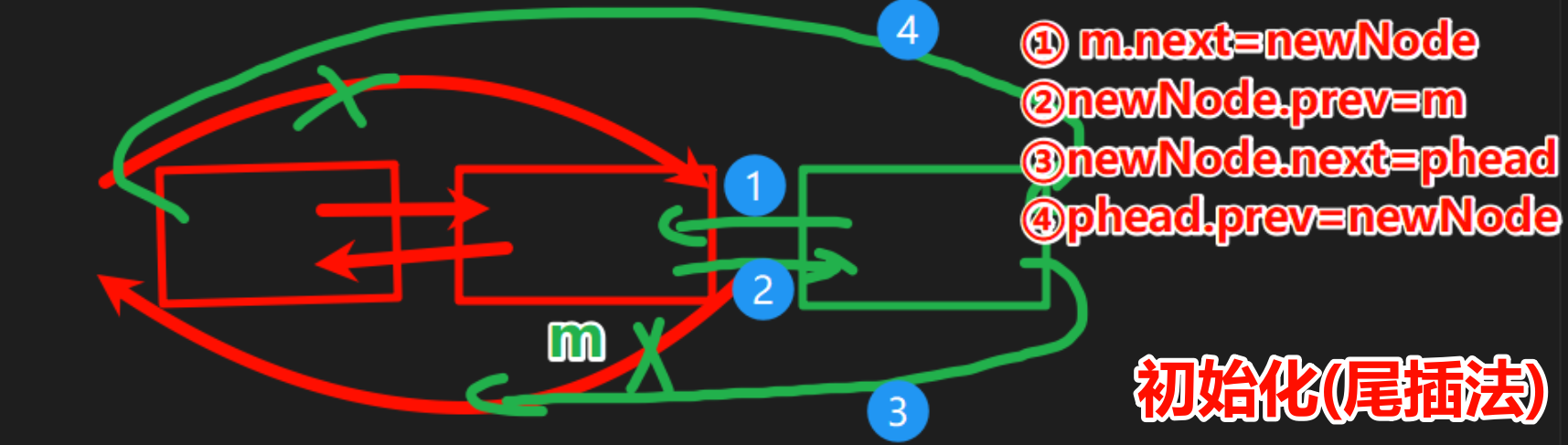
CDLNode *customInitCircularDoubleLinkList(void) {
CDLNode *phead = (CDLNode *)malloc(sizeof(CDLNode));
phead->data = 0;
phead->next = phead->prev = phead;
CDLNode *pmove = phead;
int input;
while ((input = customInput()) != -1) {
CDLNode *newNode = (CDLNode *)malloc(sizeof(CDLNode));
newNode->data = input;
newNode->prev = pmove;
pmove->next = newNode;
newNode->next = phead;
phead->prev = newNode;
pmove = pmove->next;
phead->data++;
}
return phead;
}
bool checkListIntegrity(CDLNode *cdlist) {
logInfo("检查链表完整性...");
if (cdlist == NULL) {
logError("链表头为NULL");
return false;
}
int count = 0;
CDLNode *pmove = cdlist->next;
while (pmove != cdlist && count < 1000) {
count++;
if (pmove->next->prev != pmove) {
char errorMsg[100];
sprintf(errorMsg, "节点 %d 的前后指针不一致", pmove->data);
logError(errorMsg);
return false;
}
pmove = pmove->next;
}
if (count != cdlist->data) {
char errorMsg[100];
sprintf(errorMsg, "链表长度不匹配,头节点记录 %d,实际计数 %d", cdlist->data, count);
logError(errorMsg);
return false;
}
count = 0;
pmove = cdlist->prev;
while (pmove != cdlist && count < 1000) {
count++;
if (pmove->prev->next != pmove) {
char errorMsg[100];
sprintf(errorMsg, "节点 %d 的前后指针不一致(反向检查)", pmove->data);
logError(errorMsg);
return false;
}
pmove = pmove->prev;
}
if (count != cdlist->data) {
char errorMsg[100];
sprintf(errorMsg, "链表反向长度不匹配,头节点记录 %d,实际计数 %d", cdlist->data, count);
logError(errorMsg);
return false;
}
logSuccess("链表完整性检查通过");
return true;
}
int* createReferenceArray(CDLNode *cdlist, int *size) {
*size = cdlist->data;
int *arr = (int*)malloc(sizeof(int) * (*size));
CDLNode *pmove = cdlist->next;
for (int i = 0; i < *size; i++) {
arr[i] = pmove->data;
pmove = pmove->next;
}
return arr;
}
bool verifyWithArray(CDLNode *cdlist, int *arr, int size) {
logInfo("验证链表与参考数组一致性...");
if (cdlist->data != size) {
char errorMsg[100];
sprintf(errorMsg, "链表长度 %d 与数组长度 %d 不匹配", cdlist->data, size);
logError(errorMsg);
return false;
}
CDLNode *pmove = cdlist->next;
for (int i = 0; i < size; i++) {
if (pmove->data != arr[i]) {
char errorMsg[100];
sprintf(errorMsg, "位置 %d 处,链表值 %d 与数组值 %d 不匹配",
i, pmove->data, arr[i]);
logError(errorMsg);
return false;
}
pmove = pmove->next;
}
logSuccess("链表与参考数组一致性验证通过");
return true;
}
bool testInsert(CDLNode *cdlist) {
printf("\n===== 测试插入操作 =====\n");
int size;
int *arr = createReferenceArray(cdlist, &size);
int pos = rand() % (size + 1);
int val = rand() % 100;
char infoMsg[100];
sprintf(infoMsg, "在位置 %d 插入值 %d", pos, val);
logInfo(infoMsg);
int *newArr = (int*)malloc(sizeof(int) * (size + 1));
for (int i = 0; i < pos; i++) {
newArr[i] = arr[i];
}
newArr[pos] = val;
for (int i = pos; i < size; i++) {
newArr[i + 1] = arr[i];
}
insert(cdlist, val, pos);
bool integrityCheck = checkListIntegrity(cdlist);
bool arrayCheck = verifyWithArray(cdlist, newArr, size + 1);
free(arr);
free(newArr);
if (!integrityCheck || !arrayCheck) {
logError("插入操作测试失败");
return false;
} else {
logSuccess("插入操作测试通过");
return true;
}
}
bool testErase(CDLNode *cdlist) {
printf("\n===== 测试删除操作 =====\n");
if (cdlist->data == 0) {
logInfo("链表为空,跳过删除测试");
return true;
}
int size;
int *arr = createReferenceArray(cdlist, &size);
int pos = rand() % size;
char infoMsg[100];
sprintf(infoMsg, "删除位置 %d 的元素(值为 %d)", pos, arr[pos]);
logInfo(infoMsg);
int *newArr = (int*)malloc(sizeof(int) * (size - 1));
for (int i = 0; i < pos; i++) {
newArr[i] = arr[i];
}
for (int i = pos + 1; i < size; i++) {
newArr[i - 1] = arr[i];
}
erase(cdlist, pos);
bool integrityCheck = checkListIntegrity(cdlist);
bool arrayCheck = verifyWithArray(cdlist, newArr, size - 1);
free(arr);
free(newArr);
if (!integrityCheck || !arrayCheck) {
logError("删除操作测试失败");
return false;
} else {
logSuccess("删除操作测试通过");
return true;
}
}
bool testInitialization() {
printf("\n===== 测试初始化函数 =====\n");
int testSize = 5 + rand() % 10;
int *initData = (int*)malloc(sizeof(int) * (testSize + 1));
logInfo("使用以下数据测试初始化函数:");
printf(" ");
for (int i = 0; i < testSize; i++) {
initData[i] = rand() % 100;
printf("%d ", initData[i]);
}
initData[testSize] = -1;
printf("-1\n");
prepareTestData(initData, testSize + 1);
CDLNode *list = customInitCircularDoubleLinkList();
bool result = checkListIntegrity(list);
if (result) {
char successMsg[100];
sprintf(successMsg, "初始化函数测试通过,创建了包含 %d 个元素的链表", list->data);
logSuccess(successMsg);
} else {
logError("初始化函数测试失败");
}
destory(list);
free(initData);
return result;
}
void testCircularDoubleLinkList() {
srand(time(NULL));
printf("===== 循环双向链表测试开始 =====\n\n");
if (!testInitialization()) {
logError("初始化测试失败,终止后续测试");
return;
}
logInfo("准备初始链表数据:");
int testSize = 5 + rand() % 5;
int *mainTestData = (int*)malloc(sizeof(int) * (testSize + 1));
printf(" ");
for (int i = 0; i < testSize; i++) {
mainTestData[i] = rand() % 100;
printf("%d ", mainTestData[i]);
}
mainTestData[testSize] = -1;
printf("-1\n");
prepareTestData(mainTestData, testSize + 1);
CDLNode *list = customInitCircularDoubleLinkList();
logInfo("初始链表:");
traverse(list);
if (!checkListIntegrity(list)) {
logError("初始链表完整性检查失败,终止后续测试");
destory(list);
free(mainTestData);
return;
}
int numTests = 5;
int passedTests = 0;
int totalTests = numTests * 2;
for (int i = 0; i < numTests; i++) {
printf("\n----- 测试轮次 %d/%d -----\n", i+1, numTests);
if (testInsert(list)) passedTests++;
logInfo("插入后的链表:");
traverse(list);
if (testErase(list)) passedTests++;
logInfo("删除后的链表:");
traverse(list);
}
printf("\n===== 测试结果汇总 =====\n");
char summaryMsg[100];
sprintf(summaryMsg, "总共执行 %d 项测试,通过 %d 项,通过率: %.1f%%",
totalTests, passedTests, (float)passedTests/totalTests*100);
if (passedTests == totalTests) {
logSuccess(summaryMsg);
logSuccess("所有测试通过,循环双向链表实现正确!");
} else {
logError(summaryMsg);
logError("部分测试未通过,请检查实现!");
}
destory(list);
free(mainTestData);
}
int main() {
testCircularDoubleLinkList();
return 0;
}
|